SHATTER / TRAVERSAL & BLINK
Hold to aim in slow motion. Release to blink to the marker or warp into a target. Each use consumes a Shade charge.
Design direction, movement and the systems that make them work together.
I design and direct Re:Fracture's movement, combat and visual feedback. My work moves between defining the experience, testing implementation and changing what doesn't hold up in play.
EXPLORE THE DESIGN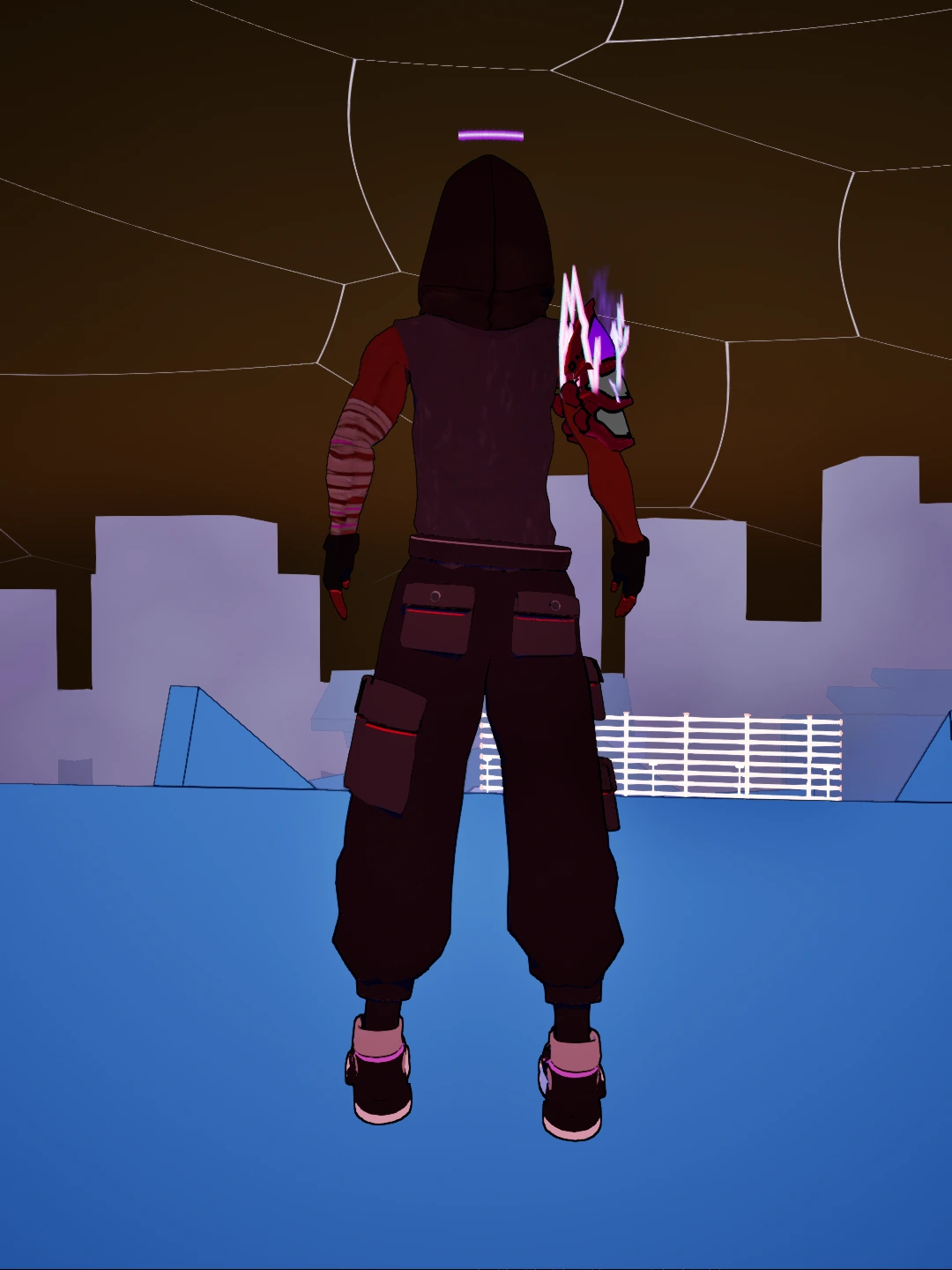
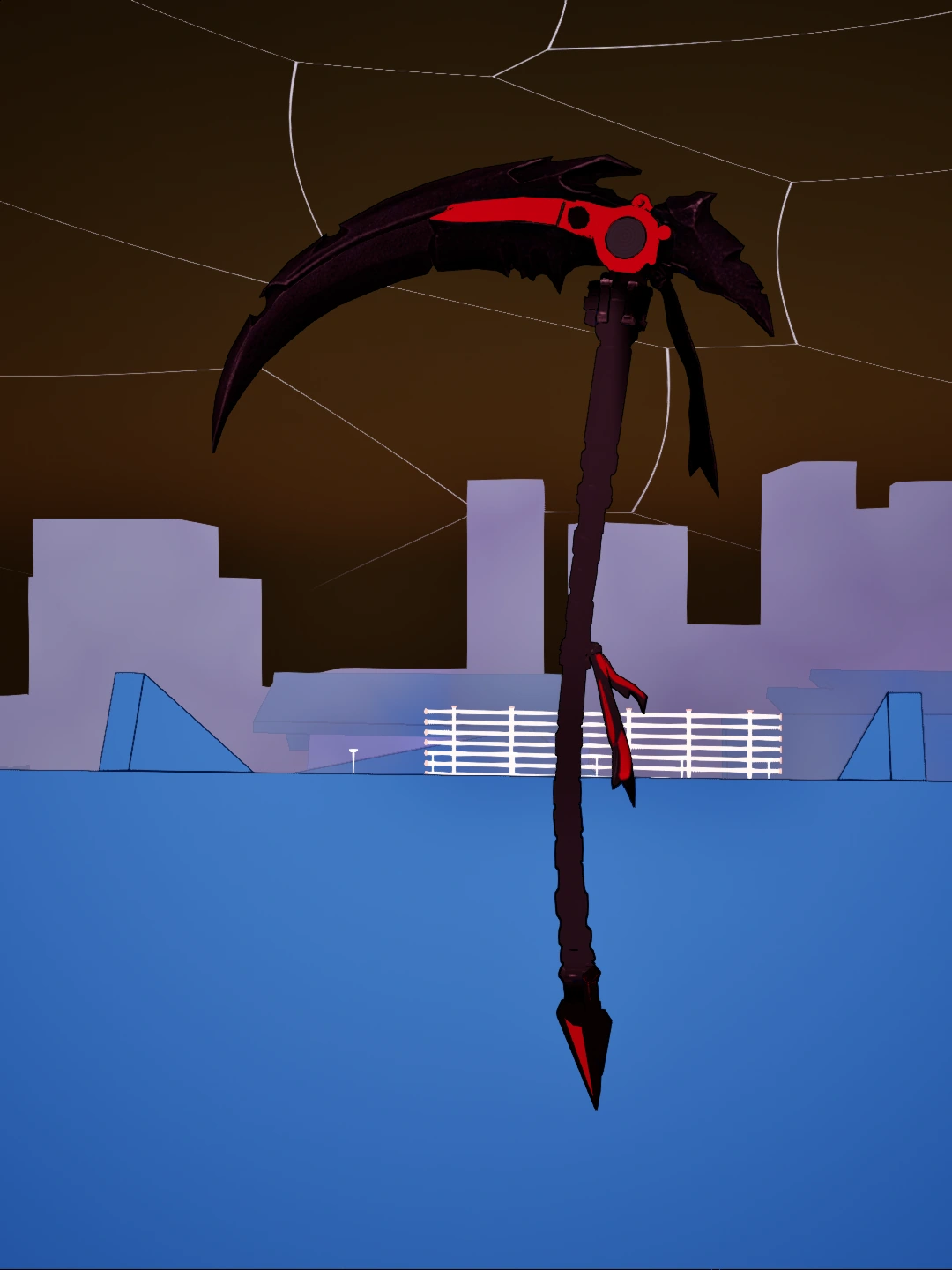
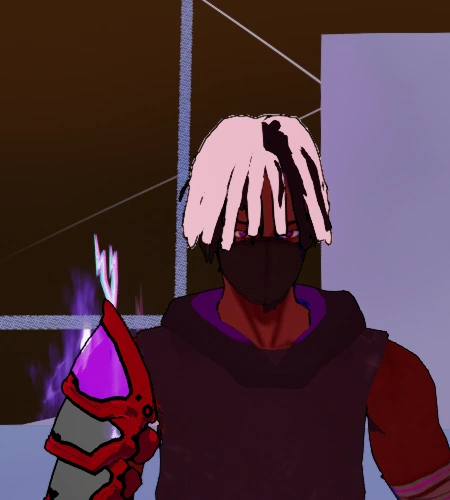
I designed Shaiden around momentum, sharp changes of direction and the effort of turning unruly speed into an advantage. The silhouette, scythe and animations all needed that same restless energy.
The weapon disappears while sprinting and returns for strikes, keeping Shaiden’s outline clear at speed.
Shatter creates openings through movement. Weave rewards a well-timed dodge. Together they keep combat aggressive without making timing irrelevant.
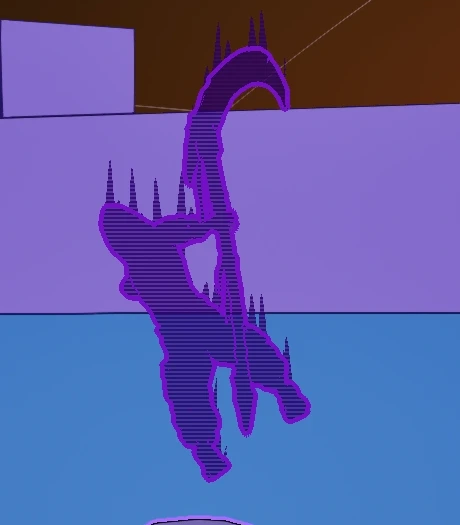
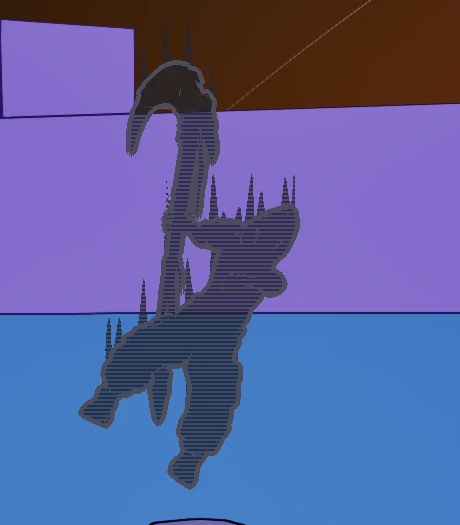
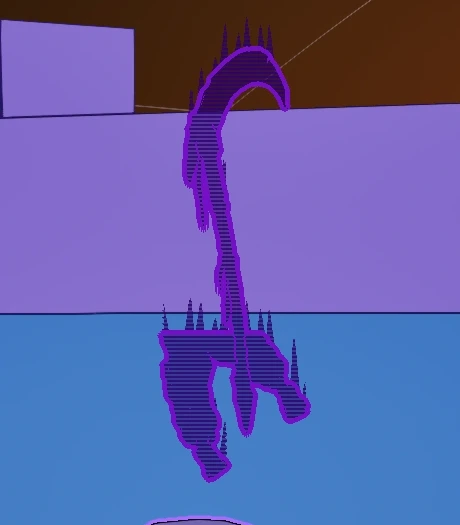
Hold to aim in slow motion. Release to blink to the marker or warp into a target. Each use consumes a Shade charge.
Time a dodge through an incoming attack to recover a dash. Violet feedback, slowdown and a held silhouette mark the success window.
Building speed banks power for the next strike when Speed Harness is equipped. You have to commit to moving fast before you cash it in.
How the character communicates, how a run changes, and what I changed when an idea didn't work.
I moved key feedback off the screen edges and onto Shaiden. Hair shows health, the shoulder plate shows whether a Shade charge is spent, recovering or ready, and the halo times the Shatter aim window.
As health drops, Shaiden’s hair turns from dark to white. Explore the captured states along the health scale.
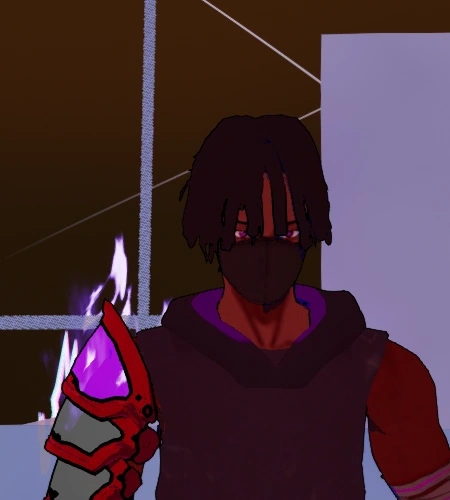
Full health. Dark hair retains its original silhouette.
Three captured health states, shown without interpolation.
Two related signals, two different jobs: the shoulder shows a Shade charge recovering and becoming ready; the halo counts down the Shatter aiming window.
The plate pulses as a spent Shade charge recovers, then settles into a purple ready state.
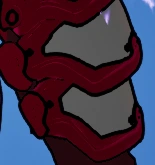 LOCKED / SEPARATE STATE
The halo contracts as the Shatter aiming window closes. It tracks aim time, not charge recovery.
The aiming preview changes to show whether the blink can resolve and when the window is closing.
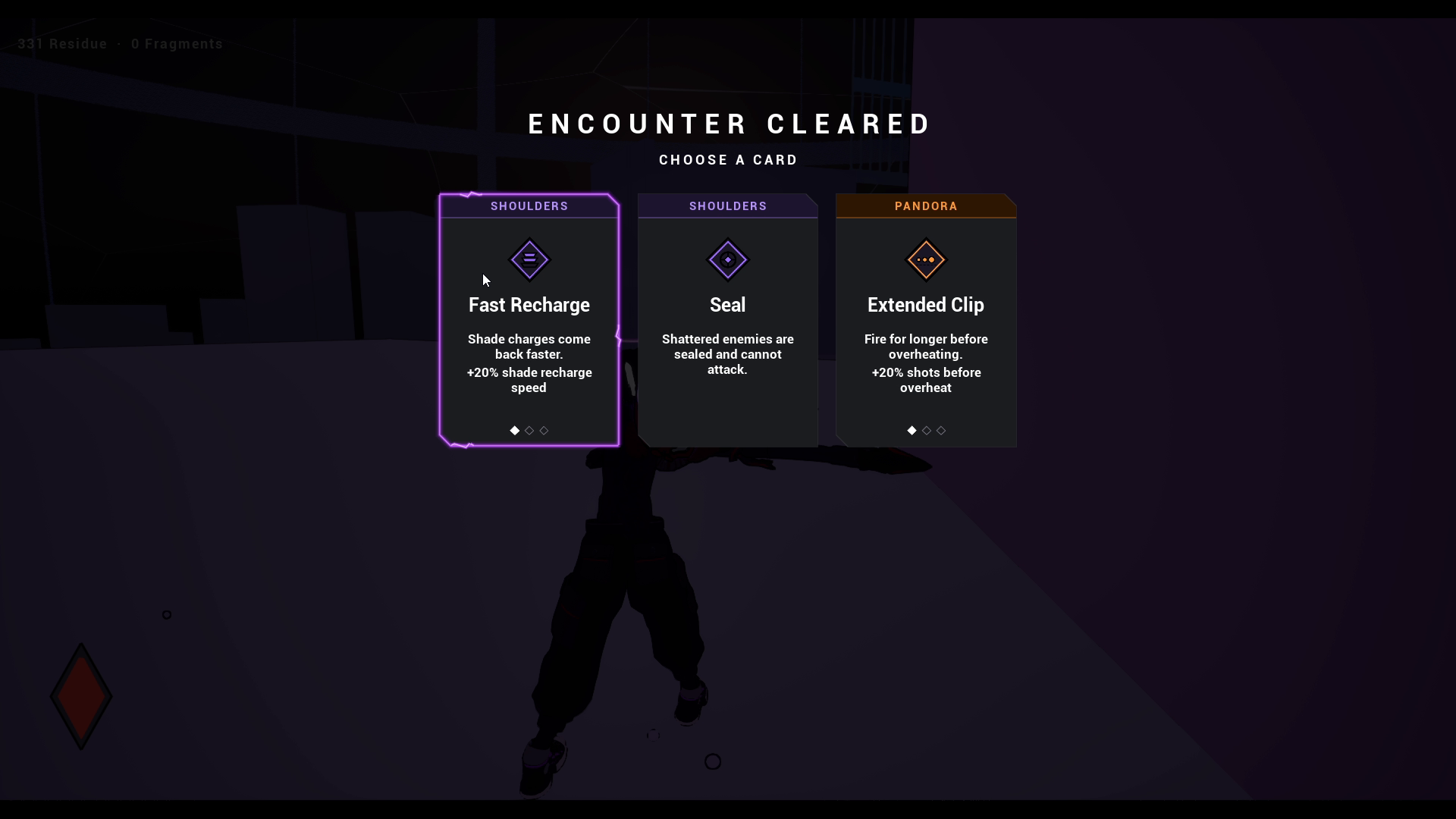
Each encounter can push a build in a different direction. I want the interesting question to be how you play with an upgrade, not just how much a number increased.
Speed Harness banks damage only while you're moving fast enough. Land a strike and you spend what you've built.
That creates a reason to keep the pressure on, take a more dangerous route, and make the next hit count.
I explored a smaller playing-card format with an electric hover, so choosing a reward had more character than another list of upgrades.
Some fixes sounded right on paper and felt wrong immediately. Those were usually the interesting ones.
The boss almost never used his slam. I thought the encounter needed a pacing adjustment, but my first fix made the rhythm worse. I backed it out, checked the attack-selection logic and found the move was being picked from the wrong pool.
My first double jump pulled a fast approach back towards walking speed. It made aggressive movement feel pointless. I removed the blanket cap so pushing forward keeps your momentum, while deliberately turning can still redirect it.
I started with grey bands as health fell. They muddied the difference between states, especially once Shaiden was moving. I simplified the readout around a stronger white-against-black contrast.