Movement
as expression.
I stepped outside my usual game-design work to explore how personality could come through poses, timing and the relationship between a character and a floating weapon.
I learned pose-to-pose workflows, collected references, filmed movements myself and iterated against feedback. The floating-sword attack was the centrepiece.
Learning to communicate through movement.
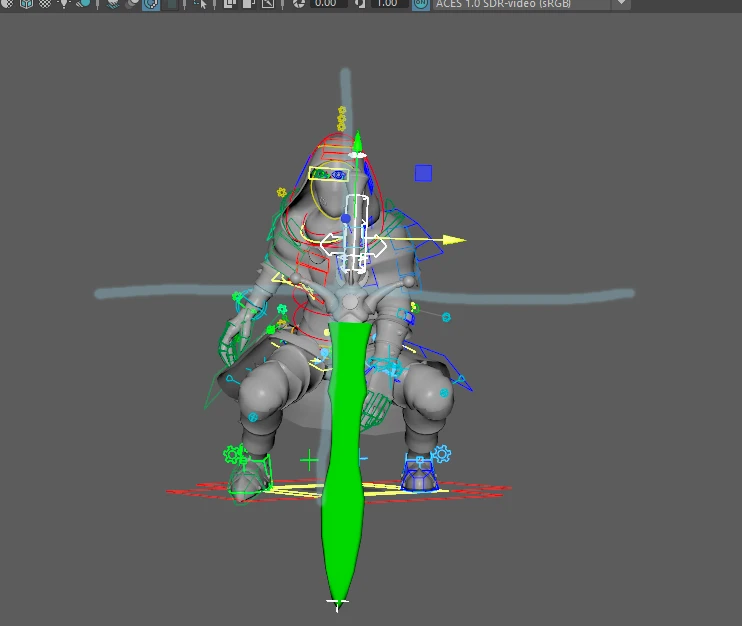
I wanted to explore another side of game development, so I learned Maya and started studying movement in detail. The central challenge was a character and floating sword that had to work together without feeling like a single rigid object. One gesture. Two performers.
Readable intent
Establish the pose and direction before the strike, even when the attack is meant to deceive.
Shared line of action
Gesture and floating blade follow compatible arcs; one amplifies the other.
Weight and consequence
Exaggerate timing and body compression so the impact can be understood.
Early project work using a sourced character rig. The animation work, references and iterations are the subject of this case study, not original character modelling.
Learning the tools, then the movement.
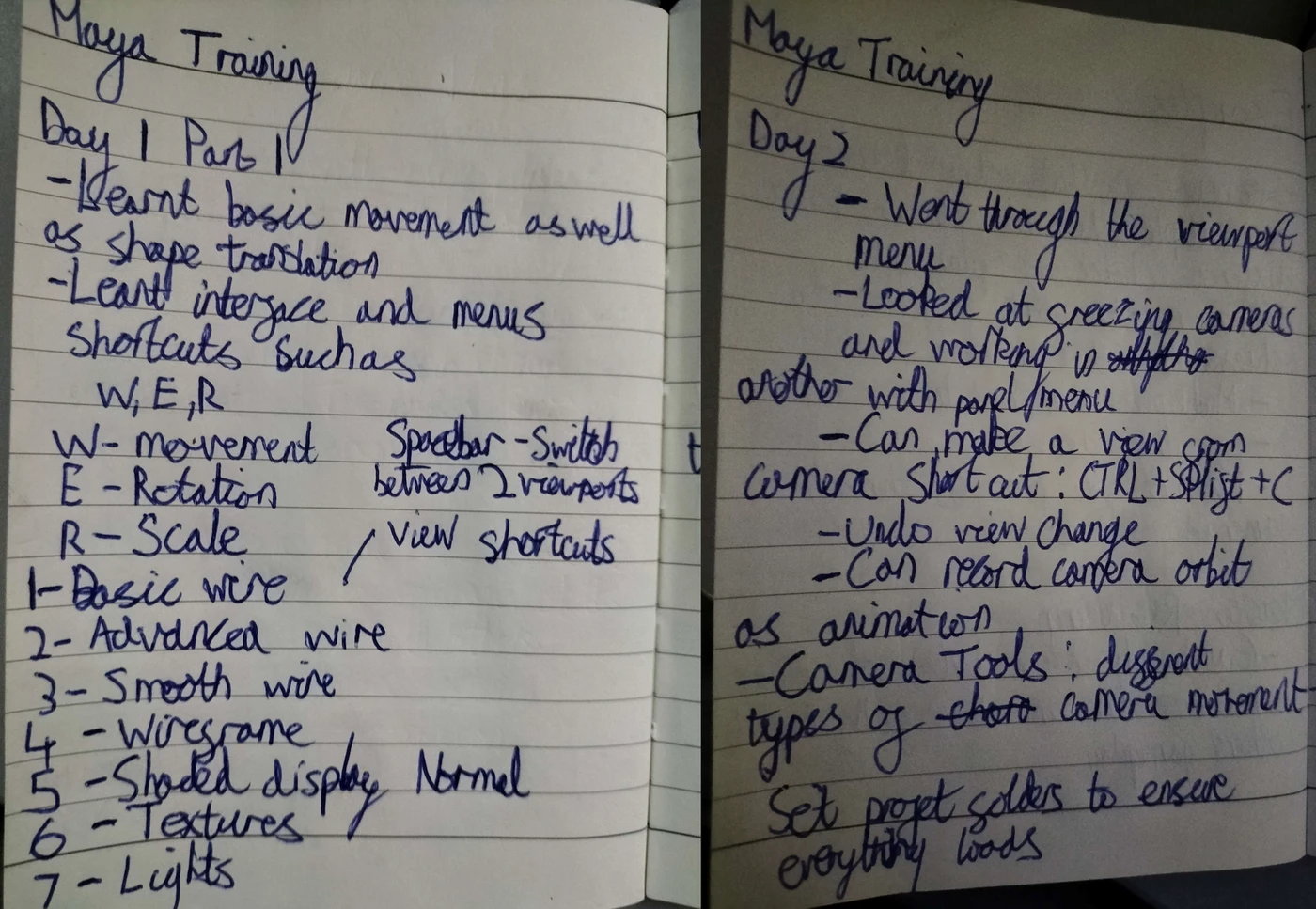
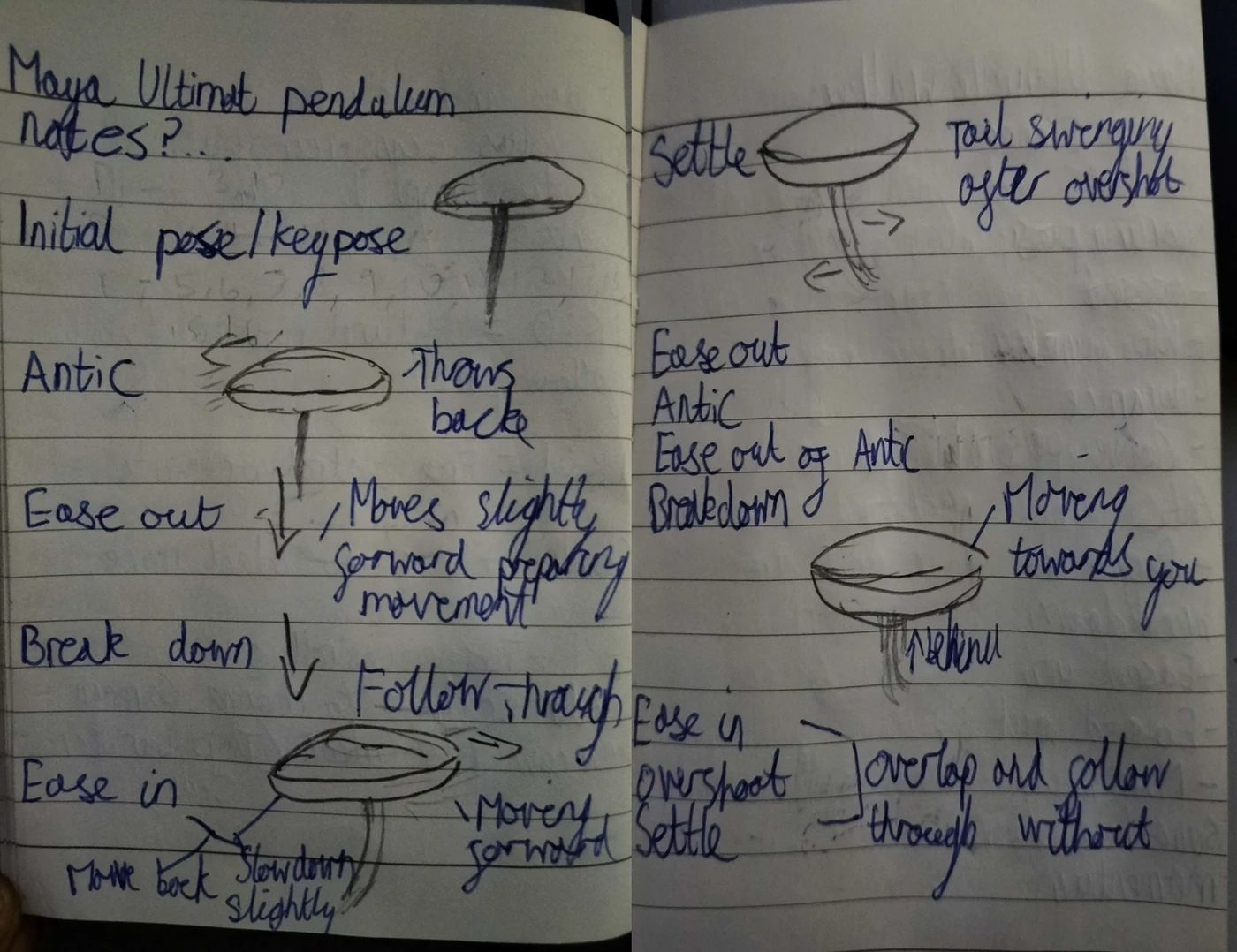
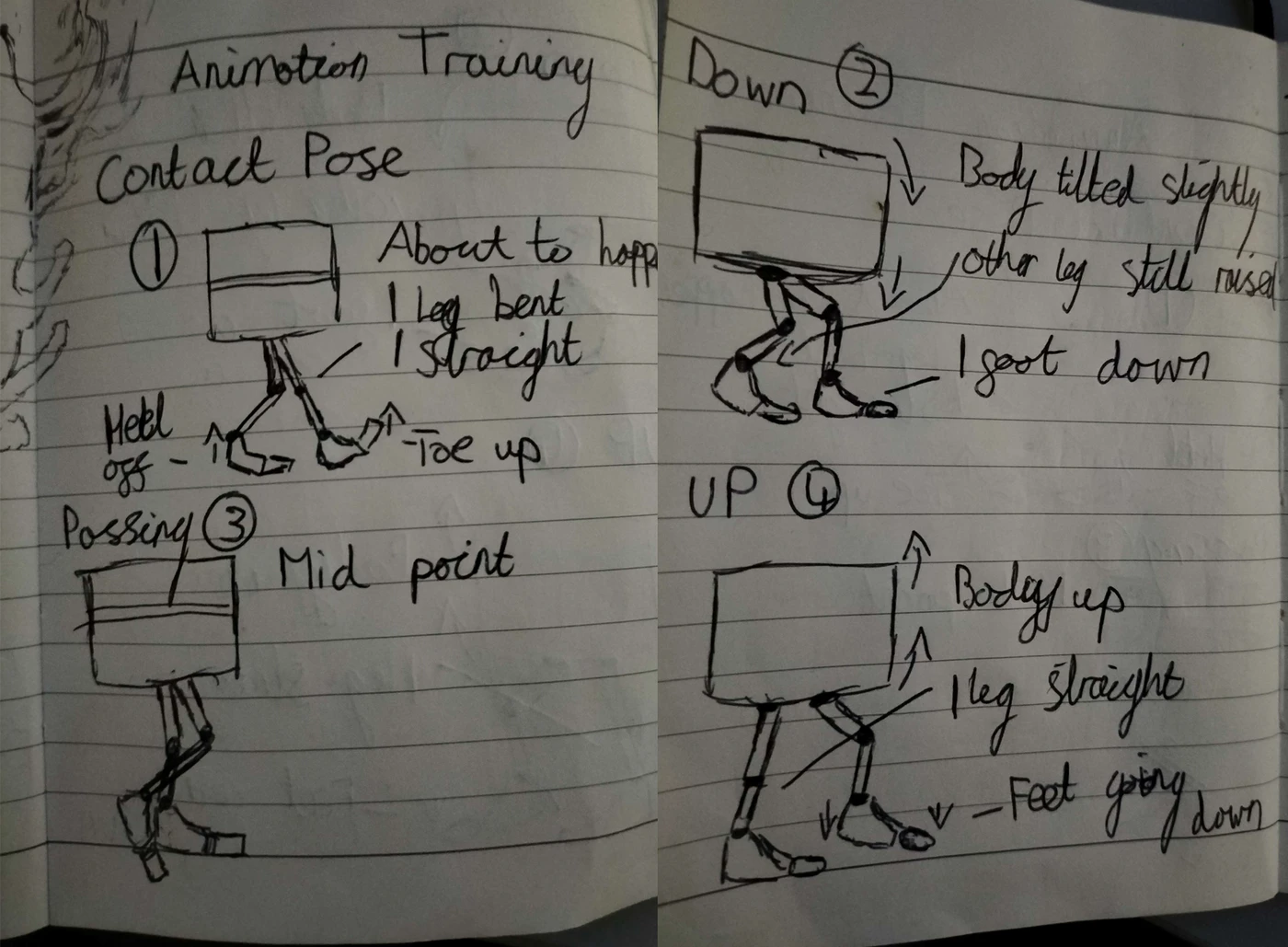
Before I could animate the floating sword, I had to learn Maya and work through the fundamentals. My notes gradually became timed poses, and those poses became a character performance.
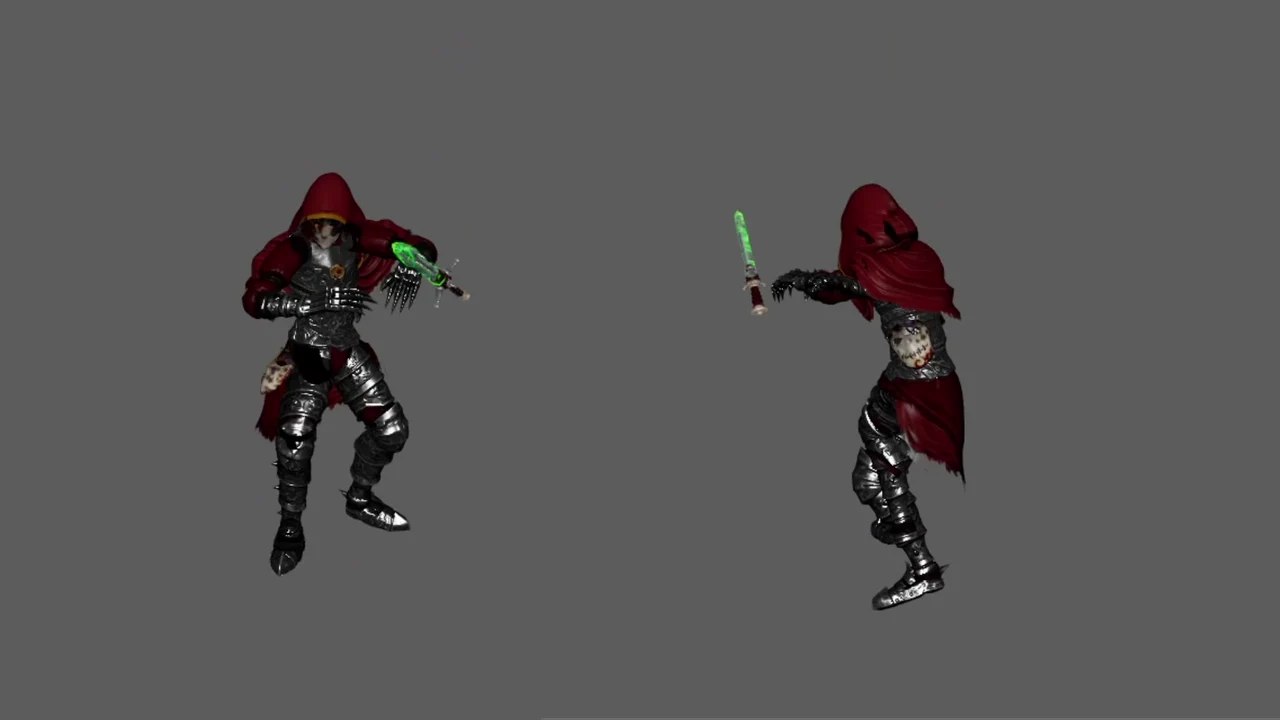
The deflect was difficult to read.
My early version lost energy when the character stopped while the sword kept spinning. Feedback pushed me to revise the timing, move the sword sooner and strengthen the body rotation.
I recorded reference footage to understand the steps of the spin and used the resulting poses to rebuild the action.
The fundamentals underneath.
Walk and run cycles gave me the foundation for timing, weight, spacing and clean arcs. I gradually moved from simple key poses to more believable transitions, secondary actions and character intent.
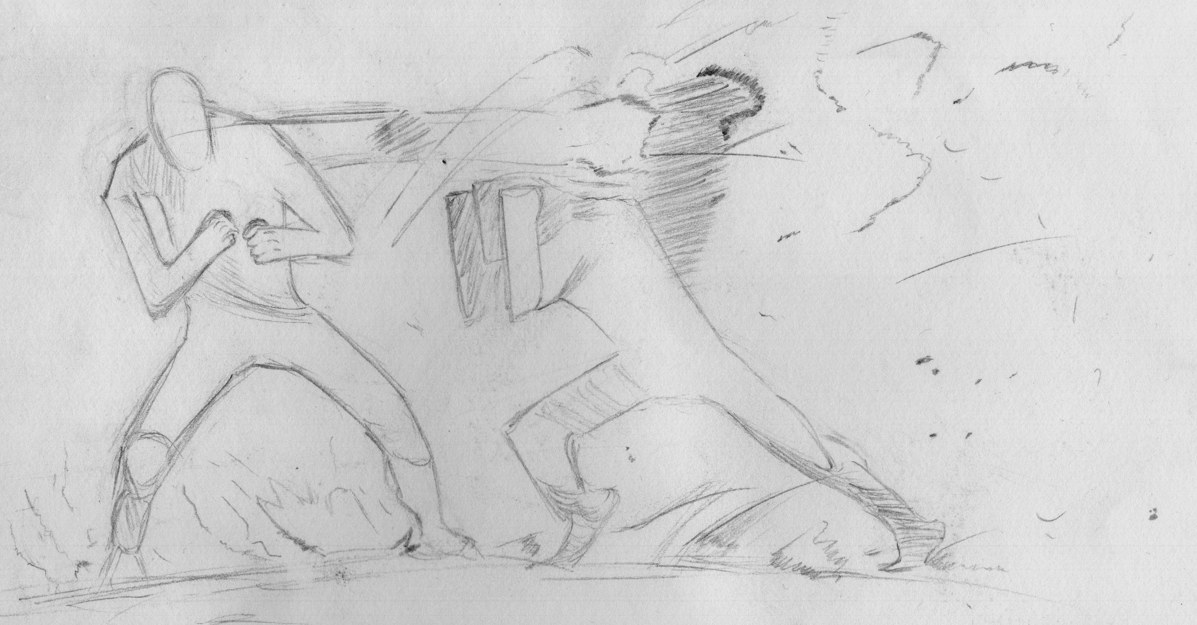 STUDIES / SOURCE ARCHIVE
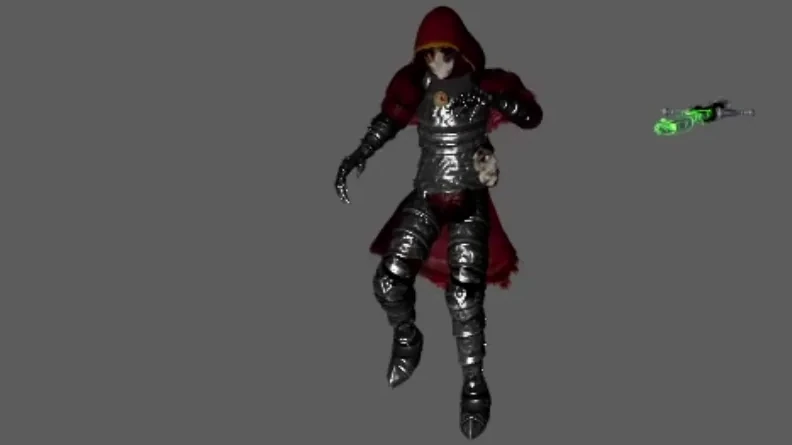
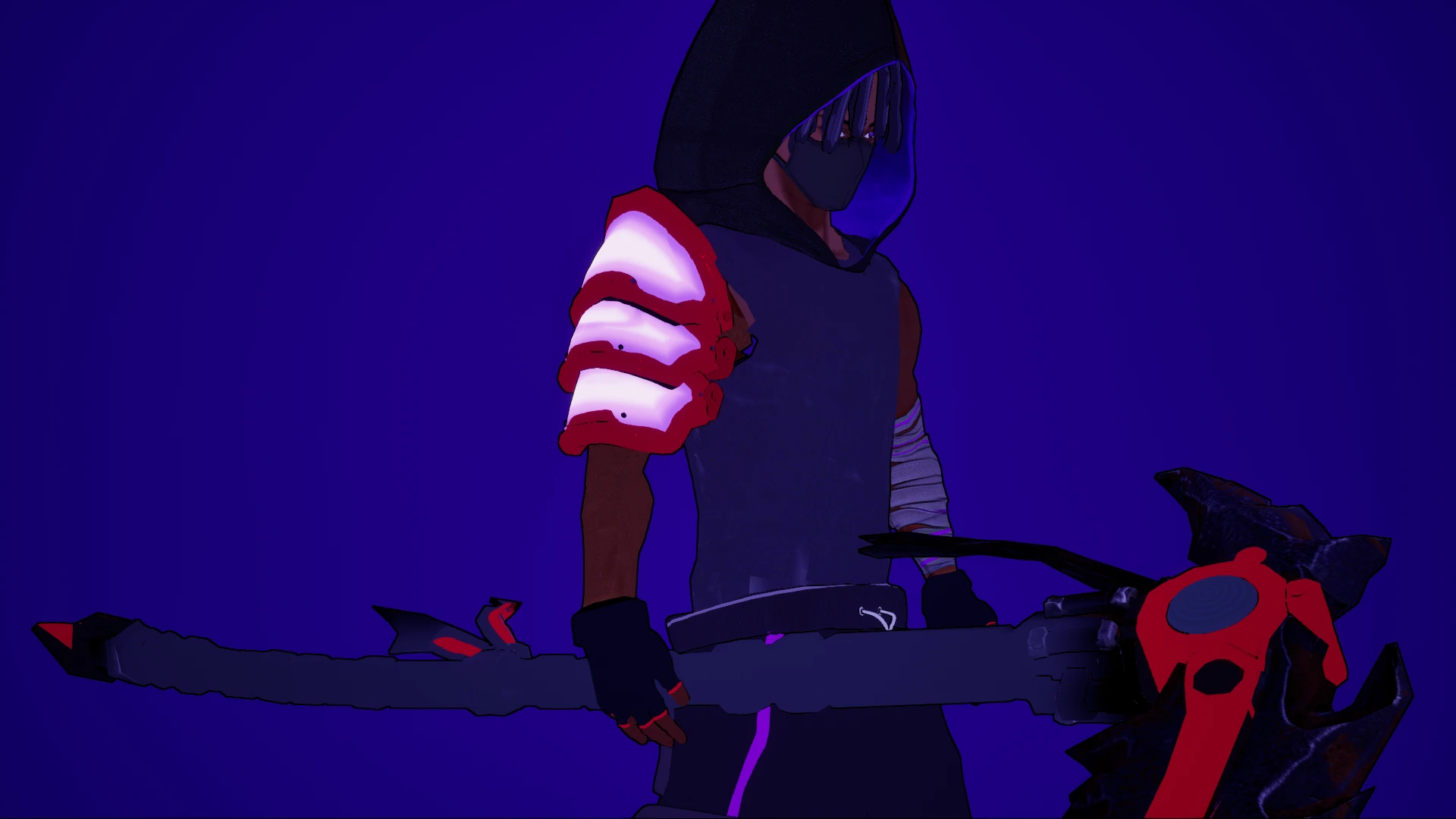
Different tools. Familiar questions.
I still care about weight, clarity and character through motion. Those early studies inform how I review and direct animation in Re:Fracture today.
EXPLORE CURRENT GAME DESIGN ↗